The Evolving Deli Bar
December 8, 2025 | 7 min to read
A look at how innovation, flavor, and authenticity are redefining the segment.
Once seen as a place to grab quick sides and simple salads, the grocery deli bar has transformed into a showcase of global flavors, ready-to-eat convenience and handcrafted quality. The modern deli bar looks different than it did a decade ago and even more so since the pandemic. Self-serve stations have evolved into curated experiences where quality, presentation, and safety go hand in hand.
When it comes to consumer engagement and sales volume, Giuliana Pozzuto, director of marketing for DeLallo, Mount Pleasant, PA, notes the self-serve olive bar is king.
“It’s the centerpiece of the deli department — a sensory, interactive experience that draws shoppers in with vibrant color, variety and aroma,” she says. “Beyond being a sales driver, the olive bar gives the deli a stage to cross-merchandise complementary items, like charcuterie meats, specialty cheeses, crackers and spreads.”
Grilled artichokes, peppers and asparagus continue to be top performers at deli bars, often merchandised alongside olives as part of antipasti selections.
That focus on freshness and authenticity also drives growth for Valesco Foods, based in Hackensack, NJ, where the company’s marinated olive blends, such as the Pitted Gourmet Olive Blend and Festive Blend are connecting with shoppers looking for simple, flavorful and wholesome options.
“People want simple, delicious ingredients that feel special, and olives do exactly that,” says Al Sozer, president of the company. “They’re flavorful, satisfying and completely plant-forward without trying to be.”
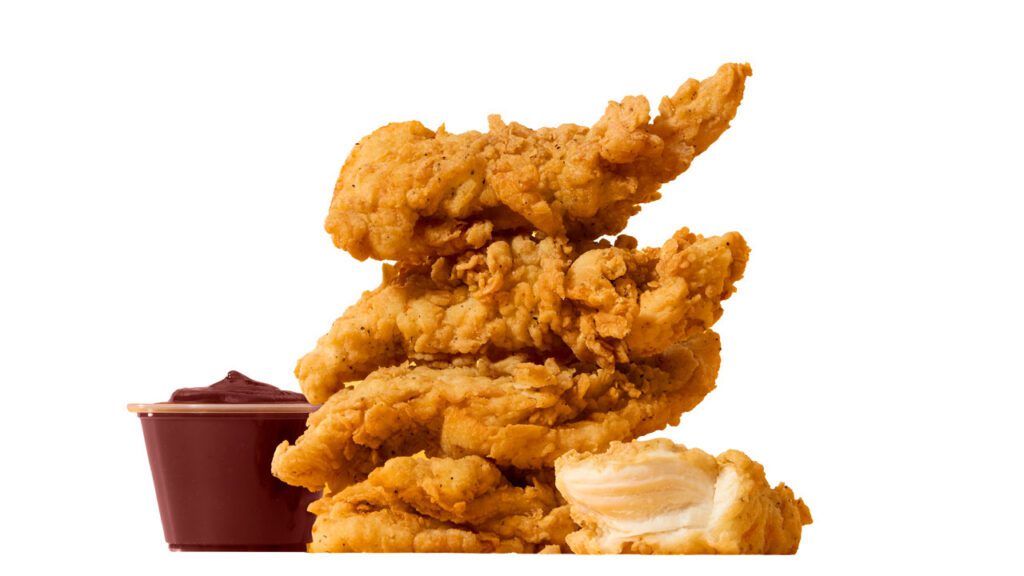
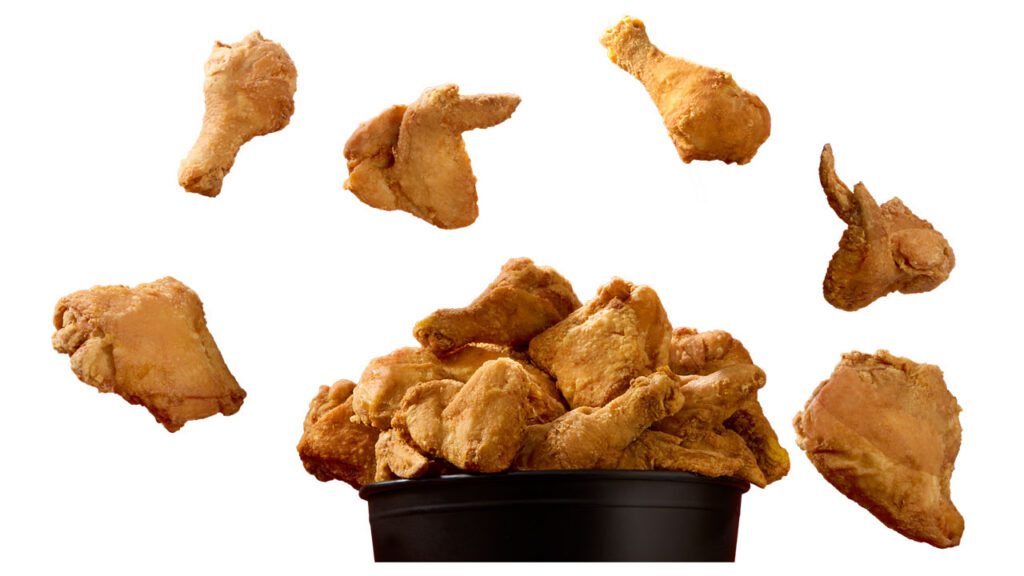
Meanwhile, in the hot food segment, chicken continues to rule the roost. Katie Klaus, senior marketing manager at Broaster Company in Beloit, WI, notes traditional bone-in fried chicken still draws loyal customers, while boneless options like tenders and wings appeal to younger generations.
“Chicken is trending right now. If you aren’t offering it, you should be. There are so many ways delis can tap into that demand.”
— Katie Klaus, Broaster Company, Beloit, WI
“Chicken is trending right now,” she says. “If you aren’t offering it, you should be. There are so many ways delis can tap into that demand.”
GLOBAL FLAVORS MEET LOCAL TASTE
As tastes evolve, shoppers are seeking more adventurous and globally inspired flavors, from Mediterranean marinades to spicy chicken rubs that deliver heat and excitement.
“We’ve seen a strong shift toward bolder, more adventurous flavor profiles in the deli department,” says Pozzuto. “Consumers are embracing Mediterranean-inspired, marinated, and spiced options — from fiery Calabrian-style olives to citrusy herb blends and bold garlic marinades.”
Pozzuto notes the company’s top seller continues to be the DeLallo Pitted Olive Jubilee, a colorful medley of olives marinated in Mediterranean herbs and spices.
That global spirit extends to the hot bar, too. Klaus notes delis are finding success by offering international twists on familiar comfort foods.

“Global-inspired flavors are hot right now,” she says. “Using sriracha, chipotle, or Nashville hot spices right after cooking helps the flavor melt onto the chicken. Or they can expand sauces to include Korean sweet-and-spicy or citrus-based combinations.”
Still, authenticity and craftsmanship remain timeless selling points, something Adam La Greca, co-owner of Rachel’s Table, Greenville, RI, takes to heart. Based on Old World family recipes, the company’s line of marinated seafood, Italian-style salads, and stuffed peppers and olives blend tradition with convenience.
THE POWER OF PRESENTATION
Once the products are perfected, getting shoppers to notice them is all about presentation, and at the deli bar, visual appeal can make or break a sale.
Sozer says a little creativity goes a long way. “It’s all about creating inspiration for shoppers. We always recommend placing olives near items they naturally complement. A little signage can go a long way, and once people get a taste, they’re hooked.”
“It’s all about creating inspiration for shoppers. We always recommend placing olives near items they naturally complement. A little signage can go a long way, and once people get a taste, they’re hooked.”
— Al Sozer, Valesco Foods, Hackensack, NJ
Sampling is also central to Rachel’s Table’s success. La Greca personally conducts in-store demos, believing that one bite can make a customer for life.
“No one’s going to sell my product the way I will,” he says. “Until people actually taste it, they may be hesitant. I’m very liberal with samples because tasting is believing.”
On the hot side, Klaus emphasizes the importance of consistency and visibility.
“It’s critical to understand your hot-holding equipment and maintain your brand standard,” she says. “Proper tagging and timing make all the difference. Customers notice when food looks fresh and cared for.”
When done right, presentation and engagement turn a simple deli bar into an experience that draws shoppers back again and again.
PRESENTATION AND PACKAGING
Today’s shoppers are looking for products that look good, taste great and fit their lifestyles, with sustainability increasingly part of the equation.
“In olive bars, shoppers can mix and match what they want,” says Sozer. “For grab-and-go, our clear deli cups offer that same convenience; they’re ready to eat, perfectly portioned, and showcase the quality inside.”
For La Greca, convenience doesn’t mean cutting corners. One of Rachel’s Table’s most popular products is a single-serve stuffed cherry pepper, individually pouched for freshness.
“It’s become one of our most successful new products,” he says. “It’s shelf-stable, has a long life, and it’s a great impulse buy.”
Even in the hot bar, presentation and packaging matter. Klaus notes clear communication, rotation standards and safe self-service practices all influence sales.
“Retailers should test their holding equipment and establish clear standards for when to replenish,” she says. “That’s what keeps quality high and customers confident.”
HEALTH AND WELLNESS
As shoppers prioritize wellness and transparency, deli suppliers are leaning into clean labels, fresh ingredients, and traditional methods that put quality first.
Sozer notes that plant-based eating has made olives a natural fit for today’s health-conscious shopper.
“They’re simple and real. The kind of food you can feel good about,” he says. “People don’t want overly processed items. They want freshness and authenticity.”
La Greca’s approach is equally rooted in tradition and integrity.
“A lot of our items are handmade, and the products we use are top quality,” he says. “That care mirrors how my family cooked. If it wasn’t good enough for Rachel’s table, it wouldn’t be good enough for our customers.”
On the hot food side, quality and safety go hand in hand, according to Kraus.
“Some consumers are hesitant with self-service,” she says. “Offering sanitizer, maintaining handwashing protocols, and following first-in, first-out standards all help reassure customers and protect product integrity. Training employees to follow consistent procedures is key to keeping food fresh and appealing.”
THE FUTURE OF DELI BARS
As the lines between grocery and restaurants continue to blur, deli bars are positioned for significant growth. After all, shoppers crave convenience but refuse to compromise on flavor, freshness or authenticity and that combination is opening new doors for innovation.
Klaus sees major potential for hot prepared foods, particularly chicken.
“Smaller grocery stores that don’t offer prepared foods can easily get into the category with high-quality frozen options,” she says. “We’ve noticed a real opportunity for operators to grow without the waste that comes with fresh prep.”
For Sozer, the next phase is all about global flavor and portability.
“As delis evolve into more of a snacking and meal-solution destination, we’re developing new ready-to-eat olive options that are flavorful, healthy, and easy to enjoy anywhere,” he says.
And for La Greca, the future will always be guided by authenticity.
“We keep evolving, but we never lose the handcrafted quality that defines us,” he says. “That’s what keeps people coming back — real food made with real care.”
From olives and antipasti to fried chicken and hot peppers, the grocery deli bar has become a destination for discovery. In the modern marketplace, the deli bar has found its second act, one that celebrates freshness, authenticity, and the joy of sharing good food.
5 of 6 article in DeliBusiness Winter 2025/26